
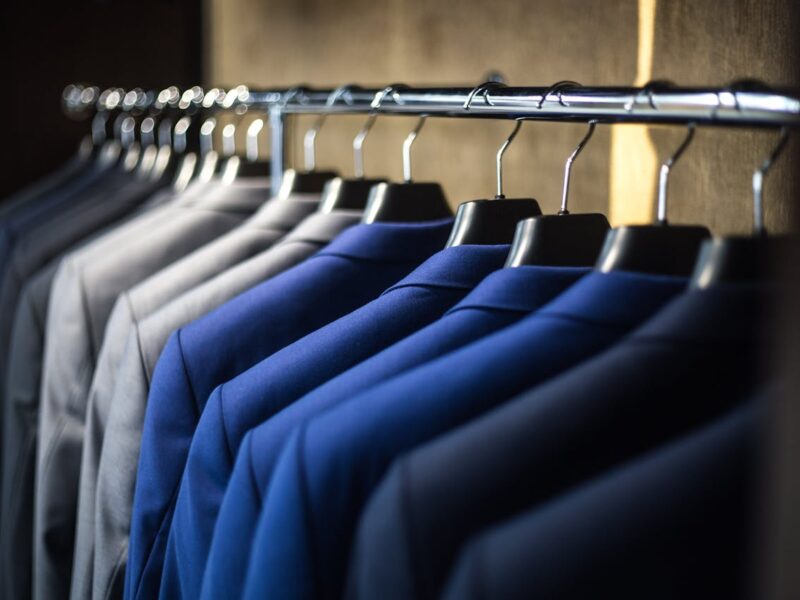
Cambodia has become one of the fastest-growing garment and textile manufacturing hubs in Southeast Asia. With its competitive production costs, skilled workforce, and favorable trade agreements, the country attracts global buyers looking for high-quality clothes and fabrics at competitive prices. If you are an importer considering Cambodia for sourcing, here are some essential tips to help you succeed.
Why Import Clothes and Fabrics from Cambodia?
-
Competitive Pricing – Labor costs in Cambodia remain lower than in China, Vietnam, and Thailand, making garment production more affordable.
-
Skilled Workforce – Decades of garment industry presence have created a skilled labor pool, especially in sewing, embroidery, and finishing.
-
Export-Oriented Industry – Textiles and garments account for nearly 60–70% of Cambodia’s exports, ensuring strong infrastructure for global trade.
-
Trade Benefits – Cambodia enjoys preferential trade access to the EU (Everything But Arms – EBA) and GSP benefits in some countries, helping importers save on duties.
Types of Clothes and Fabrics Available in Cambodia
-
Garments: T-shirts, jeans, sportswear, uniforms, jackets, and dresses.
-
Fabrics: Cotton, polyester blends, denim, silk, and eco-friendly fabrics like organic cotton or recycled polyester.
-
Specialty Products: Handwoven silk, ikat textiles, and other traditional Cambodian fabrics suitable for premium or niche markets.
Tips for Importers
1. Verify Your Suppliers
Before placing large orders, it’s crucial to conduct supplier verification. Some small factories may not meet international compliance standards. Partnering with a sourcing agent in Cambodia (like us at Sourcing Cambodia) ensures you work with trustworthy and compliant suppliers.
2. Focus on Quality Control
Quality standards may vary from one factory to another. Arrange factory inspections and product quality checks at different production stages to avoid costly errors.
3. Negotiate Minimum Order Quantities (MOQs)
Cambodian garment factories may have lower MOQs compared to China or Vietnam, but they vary depending on the product. Always confirm MOQ requirements before committing.
4. Consider Lead Times
Typical garment production lead times in Cambodia range between 45–90 days. Planning ahead helps avoid delays in your supply chain.
5. Look for OEM & ODM Options
Cambodian factories offer both OEM (your own designs and branding) and ODM (ready-made designs you can brand as your own) options, giving flexibility to fashion brands and retailers.
Why Work with a Sourcing Agent in Cambodia?
While Cambodia has huge potential, navigating the local market can be challenging. At Sourcing Cambodia, we help international importers with:
-
Factory sourcing & verification
-
Quality control & inspection
-
Negotiating pricing & contracts
-
Logistics support for export
This ensures a smooth, cost-effective, and reliable sourcing process for your clothing and fabric imports.
Final Thoughts
Sourcing clothes and fabrics from Cambodia is a smart move for importers who want competitive pricing, skilled craftsmanship, and access to sustainable fabrics. However, success depends on choosing the right suppliers, ensuring quality, and managing logistics efficiently. With the right local partner, Cambodia can be a long-term sourcing hub for your business.
👉 Looking for a reliable sourcing partner in Cambodia? Contact Sourcing Cambodia to discuss your garment and fabric sourcing needs.
 简体中文
简体中文  English
  ភាសាខ្មែរ
  Polski
  Norsk bokmål